Giá là thứ đầu tiên người mua thấy trên Amazon và là căn cứ tệ nhất để chọn pin. Gói bốn viên kiềm dùng một lần lúc thanh toán rẻ hơn bộ pin sạc cộng bộ sạc; sau một năm dùng thực tế nó đắt hơn hẳn. Bài viết này xây dựng lập luận chi phí mỗi giờ mà người bán cần đặt trước người mua đó: điểm hòa vốn rơi vào đâu, vì sao chi phí điện để sạc thực tế không đáng kể, pin lithium AA điều áp 1,5 volt mới hơn đặt lại một phần phép so sánh thế nào, và cách trình bày khoản tiết kiệm trung thực, không có những tuyên bố phóng đại thu hút đánh giá hoài nghi. Chính mô hình này là nền tảng thương mại cho chương trình NiMH nhãn riêng như WenJoop.
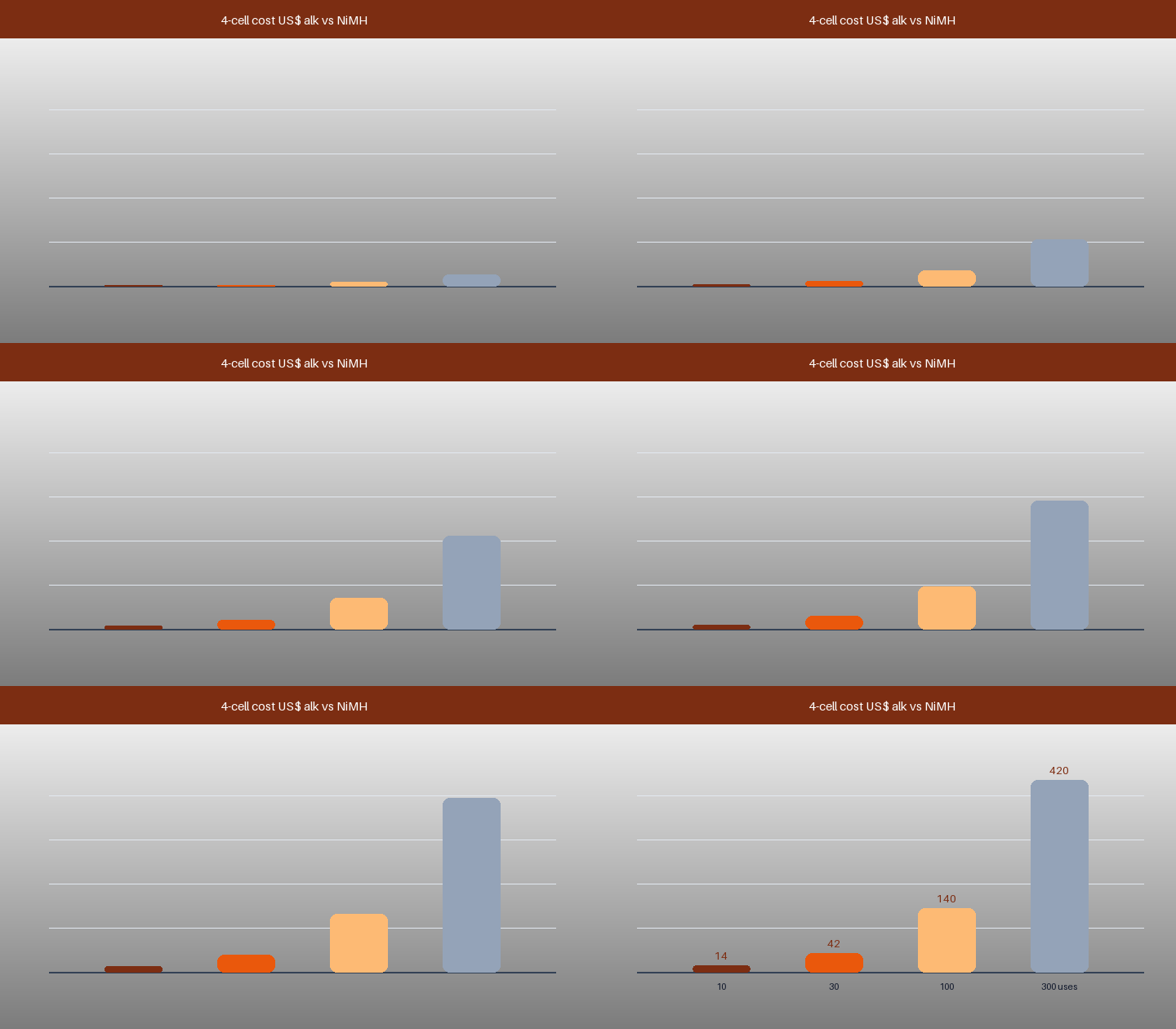
Các hướng dẫn chi phí công khai hội tụ về một khoảng hòa vốn hẹp: với bộ bốn cell sạc, gồm cả bộ sạc mua một lần, khoản đầu tư được thu hồi sau khoảng hai mươi đến ba mươi lần dùng; không gồm bộ sạc, riêng các cell hoàn vốn sớm hơn, gần hai mươi chu kỳ. Sau điểm đó chi phí biên chỉ còn là điện, dưới một xu Mỹ cho mỗi chu kỳ sạc đầy. Các bài phân tích độc lập ước tính rằng qua một trăm lần dùng, bộ bốn cell hạng eneloop tiết kiệm cỡ 140 USD so với việc mua lặp lại gói bốn viên kiềm hàng đầu.
Hình động đầu tiên làm cho điểm giao nhau hiện rõ. Ở mười lần dùng bộ dùng một lần rẻ hơn; đến ba mươi lần dùng các đường cong cắt nhau; ở một trăm và ba trăm lần dùng chi phí dùng một lần tăng gần như tuyến tính trong khi chi phí sạc lại gần như phẳng. Người mua chỉ cần tin rằng điểm giao nhau có thể đạt tới – và với tay cầm game, đèn flash và đồ chơi, nó đạt được trong vài tháng.
Tính trên mỗi đơn vị năng lượng dùng được, khoảng cách còn rõ nét hơn. Các hướng dẫn mua so sánh tính chi phí trên một nghìn milliwatts-giờ đặt kiềm dùng một lần ở con số rất cao – một bài phân tích công bố đạt khoảng 251 USD cho một nghìn tương đương mWh qua các lần mua lặp – vì toàn bộ cell, cùng kim loại và bao bì, bị vứt đi sau một lần xả. Cell NiMH sạc lại trải chi phí sản xuất của nó qua hàng trăm hoặc hàng nghìn chu kỳ, làm sụp đổ chi phí trên mỗi năng lượng.
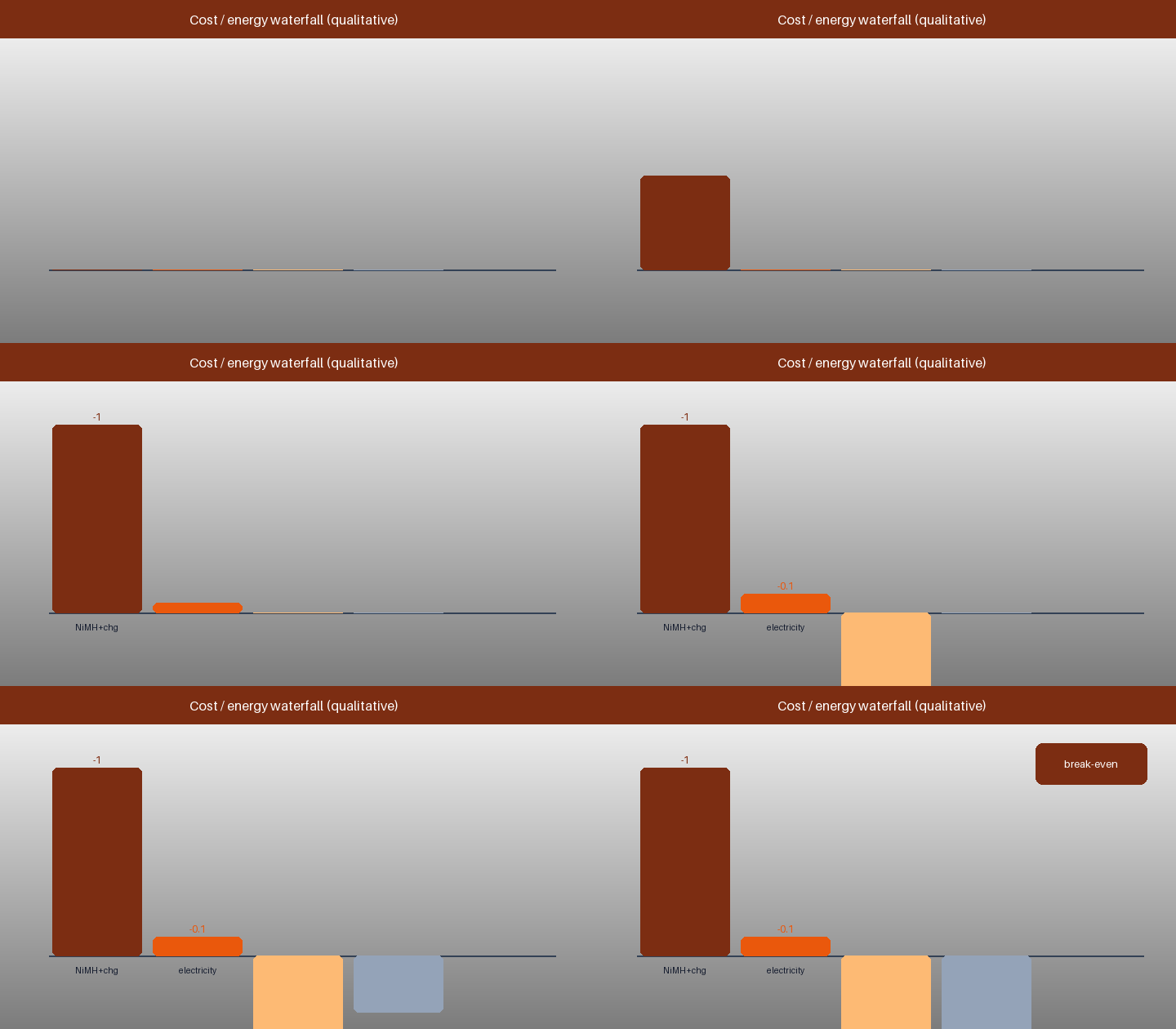
Hình động thứ hai là thác chi phí mà người bán có thể tái tạo trong nội dung A+: bộ pack sạc và bộ sạc mua một lần là các cột dương, một lát mỏng cho điện tích lũy, và các cột âm lớn cho những lần mua kiềm được tránh, kết thúc ở vị trí ròng sau một trăm lần dùng. Mọi đầu vào nên được hiển thị để người mua hoài nghi có thể thay giá của mình.
Người mua thường ước lượng quá cao chi phí sạc. Một AA 2000 mAh chứa khoảng 2,4 watts-giờ; ngay cả khi tính tới hiệu suất kém của bộ sạc, bốn cell chỉ lấy vài watts-giờ mỗi lần sạc đầy – một phần nhỏ của kilowatt-giờ và do đó một phần nhỏ của một xu Mỹ theo giá điện dân dụng. Qua một năm, chi phí năng lượng cho thói quen sạc của cả một hộ gia đình thường dưới một đô la, đó là lý do «trả một lần, sạc với vài xu» là thông điệp bảo vệ được khi đóng khung là chi phí năng lượng chứ không phải tổng chi phí.
Tuy vậy bộ sạc là rào cản tâm lý: đó là chi phí vốn một lần người mua phải trả trước khi có bất kỳ khoản tiết kiệm nào. Gộp một bộ sạc thông minh đạt chuẩn với các cell – các nguyên tắc thiết kế là chủ đề của Bài 9 – loại bỏ rào cản đó và đồng thời nâng giá trị giỏ hàng.
Đối thủ mới nhất là AA lithium-ion có bộ điều áp giảm áp bên trong, cấp 1,5 volt phẳng (Bài 7). Hồ sơ chi phí của nó lại khác: giá trả trước cao, đầu ra điện áp không đổi được điều áp hợp với các thiết bị tiêu thụ lớn nhạy điện áp, và thành tích độ bền chu kỳ cùng an toàn vẫn đang hoàn thiện ở phân khúc giá rẻ. Về chi phí mỗi giờ thuần túy cho các thiết bị thông thường – điều khiển từ xa, đồng hồ, chuột, nhiều đồ chơi – NiMH vẫn là lựa chọn rẻ hơn, đơn giản hơn và được kiểm chứng tốt hơn vì không có bộ điều áp để trả tiền hay hỏng, còn số chu kỳ của nó đã được thiết lập từ lâu.
Do đó định vị trung thực được phân đoạn: dẫn dắt NiMH về chi phí mỗi giờ, an toàn, khả năng tăng đột biến và chu kỳ kiểm chứng trên nhóm thiết bị trung lưu rộng lớn, và thừa nhận lithium điều áp cho nhóm hẹp các thiết bị đòi đường ray 1,5 volt phẳng. Giả vờ NiMH thắng ở mọi nơi chính là mời gọi bài đánh giá so sánh làm xói mòn lòng tin.
Chi phí mỗi giờ có một người anh em sinh đôi môi trường. Một cell sạc thay thế cỡ một trăm hoặc nhiều hơn pin dùng một lần trong vòng đời của nó; các ước tính điển hình của ngành cho thấy mức giảm lớn bao bì và tổng rác thải pin cho một chương trình NiMH năm năm so với luồng kiềm tương đương. Theo Quy định Pin của EU 2023/1542, thông điệp về độ bền, khả năng sạc và hàm lượng tái chế đang chuyển từ đức tính tùy chọn sang lĩnh vực nhãn mác bị quy định, củng cố lập luận cho mặc định sạc lại và thưởng cho người bán có thể chứng minh tuyên bố của mình.
Thông điệp rác thải phải giữ tính định lượng và tránh tẩy xanh: nêu số dùng một lần tương đương theo chu kỳ bằng chính số chu kỳ được kiểm chứng của sản phẩm, và chỉ tới các lộ trình thu gom, tái chế áp dụng thay vì ngụ ý cell có thể bỏ vào rác thông thường.
Với WenJoop, câu chuyện chi phí mỗi giờ nên được xây như một so sánh tĩnh mang cảm giác tương tác trong nội dung A+: thiết bị của người mua, tần suất dùng giả định, giá gói bốn viên kiềm hiện tại của họ, và tháng hòa vốn kết quả – mọi giả định đều có thể chỉnh trong đầu người mua. Ghép nó với bộ gộp sạc loại bỏ rào cản trả trước và một tuyên bố chu kỳ được hậu thuẫn bởi dữ liệu độ bền IEC 61951-2. Hướng dẫn chọn kích cỡ quan trọng ngang giá: Bài 5 cho thấy vì sao cell LSD 2000 mAh là mặc định đúng cho đa số hộ gia đình dù cell 2800 mAh trông đẹp hơn trên dòng thông số.
Chi phí mỗi giờ là lập luận hợp lý khép lại một người mua đã bị thuyết phục bởi sự sẵn sàng và lòng tin. Nó mạnh nhất khi minh bạch, gắn với thiết bị cụ thể và được ghép với bộ sạc khiến khoản tiết kiệm tự động diễn ra.
Weijiang Power sản xuất các cell nickel-kim loại hydrua dân dụng AA, AAA và kích cỡ đặc biệt được hàn cùng các pack phối ghép cho người bán nhãn riêng và thương hiệu trên Amazon cùng các sàn khác, với dung lượng ghép theo lô, hồ sơ hiệu năng IEC 61951-2 và hỗ trợ an toàn IEC 62133-1. Chia sẻ định dạng mục tiêu, tuyên bố chu kỳ, cấu hình pack và sàn bán, đội ngũ của chúng tôi sẽ thiết kế chương trình NiMH vững chắc, chống chịu đánh giá. Xem qua dòng sản phẩm tại trang sản phẩm.


